
The multi-level marketing (MLM) giant Forever Living Products is facing one of the most turbulent periods in its history, with a series of major developments spanning the United States and India. From regulatory action by the Federal Trade Commission (FTC) to criminal proceedings overseas, the company’s global operations are under increasing scrutiny.
US MLM Business Officially Shut Down
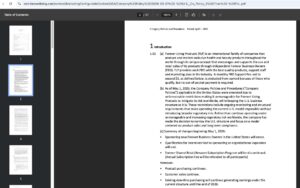
In a surprising move, Forever Living has confirmed that it will terminate its MLM opportunity in the United States effective May 1, 2026. This decision follows mounting regulatory pressure and comes just weeks after legal actions intensified against the company.
The shutdown effectively ends the company’s traditional business model in its home market, where individuals, known as “Forever Business Owners”, earned commissions by selling products and recruiting others into the network.
While the company has not publicly framed the closure as a direct result of legal pressure, the timing strongly suggests otherwise. Industry observers note that the decision aligns closely with recent enforcement actions taken by US regulators.
FTC Secures Injunction Over Income Claims
The FTC has taken decisive action against Forever Living, securing a permanent injunction that prohibits the company from making deceptive income claims.
According to the FTC, the company misled thousands of people by promoting unrealistic earnings opportunities. Marketing materials often suggested participants could achieve financial freedom, replace full-time jobs, or earn substantial income through the MLM model.
However, the reality painted by the agency is starkly different.
- A significant majority of participants earned little to nothing.
- Many distributors actually lost money after expenses.
- Less than 8% of participants made even modest annual income.
The FTC highlighted that such claims were not only misleading but harmful, as they diverted individuals away from legitimate income opportunities.
As part of the legal resolution, Forever Living and its top executives, including CEO Gregg Maughan and President Aidan O’Hare, are now permanently restricted from promoting false or unsubstantiated earnings claims.
BehindMLM reports that the company had already agreed to this injunction before announcing its US MLM shutdown, indicating that regulatory pressure played a crucial role in its strategic shift.
India: Senior Manager Arrested, Funds Frozen
The company’s troubles are not limited to the United States.
In India, law enforcement authorities have arrested a senior Forever Living manager in connection with an alleged MLM-related fraud case. Authorities also reportedly froze approximately $317,000 in funds linked to the investigation.
The case involves allegations that participants were lured into the business with promises of easy money and high returns, claims that authorities believe were misleading. The arrested individual is accused of playing a key role in promoting and managing these activities.
This development adds to growing concerns about MLM operations in India, where regulators and law enforcement agencies have increasingly targeted schemes that resemble pyramid-style structures.
While details of the investigation are still emerging, the case reflects a broader global trend of authorities tightening oversight on MLM companies.
A Pattern of Scrutiny
Forever Living, founded in 1978 and known for its aloe vera-based health and wellness products, has long operated using a direct-selling MLM model across more than 100 countries.
However, critics and regulators have repeatedly raised concerns about the sustainability and fairness of such business structures.
The FTC’s complaint revealed that:
- Over 70% of new participants earned no income in their first year.
- More than 90% failed to recover their startup costs.
- Only a tiny fraction earned consistent monthly income.
These figures reinforce a pattern seen across many MLM companies, where the majority of participants struggle to achieve the promised financial success.
What This Means for the MLM Industry?
The combined impact of these developments could have far-reaching consequences for the MLM sector.
- Regulatory Precedent
The FTC’s action sets a strong example that misleading income claims will not be tolerated. - Business Model Shift
Forever Living’s US shutdown may signal a broader move away from traditional MLM structures in heavily regulated markets. - Global Ripple Effect
The India arrest highlights that scrutiny is not limited to the US, MLM operations worldwide may face increased enforcement.
Final Thoughts
Forever Living’s recent challenges mark a significant turning point for the company and potentially for the MLM industry as a whole.
With its US MLM operations shutting down, strict legal restrictions imposed by the FTC, and criminal investigations unfolding internationally, the company is navigating a critical phase.
For consumers and potential participants, these developments serve as a reminder to carefully evaluate income claims and business opportunities, especially those that promise easy or guaranteed earnings.
As regulators continue to crack down on deceptive practices, the future of MLM companies may depend on greater transparency, realistic expectations, and stricter compliance with consumer protection laws.
Leave a Reply